Thinking, Fast and Slow vs Predictably Irrational
Foundational Cognitive Architecture vs. Clever Behavioral Experiments
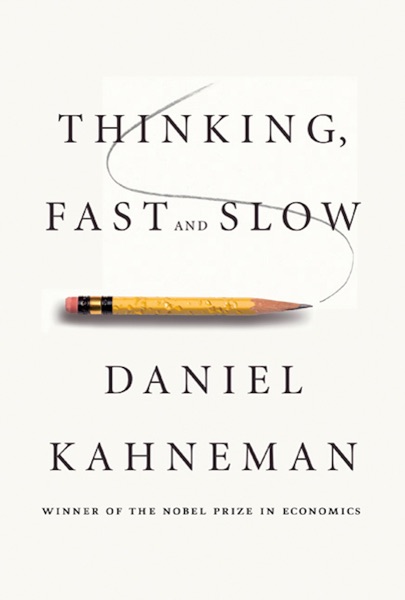
Thinking, Fast and Slow
Thinking, Fast and Slow
The Battle of Ideas
Daniel Kahneman’s Thinking, Fast and Slow is the magnum opus of behavioral economics, detailing the dual-process model of human cognition (System 1 intuitive vs. System 2 analytical) and cognitive biases. Dan Ariely’s Predictably Irrational presents engaging, real-world behavioral experiments exposing how humans systematically make illogical decisions around money, pricing, and social norms.
How Their Methodologies Diverge
Kahneman outlines the cognitive architecture (System 1 & System 2, Prospect Theory, Anchoring, Availability Heuristic); Ariely demonstrates specific social triggers (Free effect, Relativity, Price of Zero).
Thinking, Fast and Slow is academic and rigorous; Predictably Irrational is lighthearted, accessible, and story-driven.
Kahneman focuses on heuristics under uncertainty; Ariely focuses on social versus market norms.
Comparative Breakdown
| Dimension | Thinking, Fast and Slow | Thinking, Fast and Slow |
|---|---|---|
| Tone & Depth | Comprehensive, academic, foundational | Empirical, lighthearted, highly accessible |
| Core Model | System 1 (Fast, Emotional) vs System 2 (Slow, Deliberate) | Predictable irrationalities in pricing and social contracts |
| Key Finding | We are blind to our blindness and overconfident in what we know | Zero-cost offerings warp rational cost-benefit calculations |
Which One Should You Read First?
Thinking, Fast and Slow is the foundational textbook on decision-making; Predictably Irrational is the fun, practical introduction to consumer behavior.
Read Thinking, Fast and Slow If:
Strategists, analysts, and decision-makers seeking a deep understanding of cognitive biases and statistical intuition.
Open Thinking, Fast and Slow Masterbrief →Read Thinking, Fast and Slow If:
Marketers, product designers, and managers wanting actionable behavioral design principles for pricing and user incentives.
Open Thinking, Fast and Slow Masterbrief →Core Mental Shifts Inside Each Brief
Thinking, Fast and Slow Key Shifts
8 ShiftsTwo Systems: Fast Intuition vs. Slow Logic
System 1 is fast, automatic, and error-prone; System 2 is slow, logical, and lazy. Train yourself to activate System 2 during high-stakes decisions.
WYSIATI: What You See Is All There Is
WYSIATI makes you judge situations based solely on visible data while ignoring missing evidence. Always seek out what is hidden.
Heuristics and Biases: Anchoring & Availability
Heuristics substitute easy questions for hard ones. Beware of the Anchoring Effect and the Availability Heuristic when assessing value and risk.
The Illusion of Understanding and Overconfidence
Hindsight bias creates the illusion that the past was predictable and fuels expert overconfidence. Use premortems and decision journals.
Common Questions Answered
Is Thinking, Fast and Slow difficult to read?
It is a dense, intellectual masterpiece. MasterBriefs provides a 15-minute executive summary breaking down the core System 1 vs System 2 mental models clearly.
Ready to master both books in 30 minutes?
Save hours of reading time with interactive mental shifts, practical quizzes, and executive frameworks.