Rich Dad Poor Dad vs The Psychology of Money
Cashflow Mindset & Real Estate Leverage vs. Behavioral Rationality & Longevity
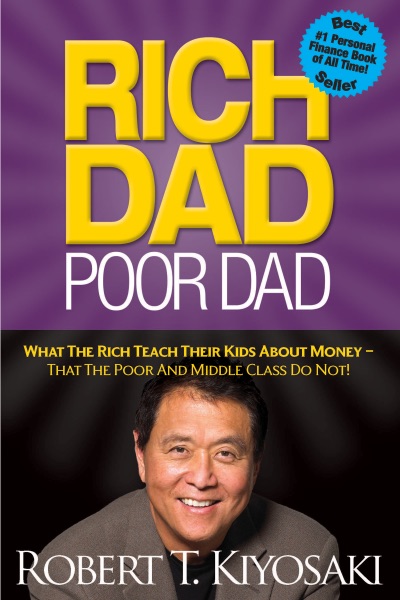
Rich Dad Poor Dad: What the Rich Teach Their Kids About Money That the Poor and Middle Class Do Not!

The Psychology of Money: Timeless Lessons on Wealth, Greed, and Happiness
The Battle of Ideas
Robert Kiyosaki’s Rich Dad Poor Dad is the iconic classic on financial literacy, distinguishing between assets and liabilities, and building passive income through entrepreneurship and real estate. Morgan Housel’s The Psychology of Money examines the emotional, behavioral, and psychological quirks that dictate how people actually handle wealth, emphasizing risk management, compounding, and peace of mind.
How Their Methodologies Diverge
Kiyosaki advocates for aggressive financial offense (leverage, tax strategies, real estate, cash-flow businesses); Housel emphasizes financial defense (staying in the game, room for error, reasonable vs. rational decisions).
Rich Dad Poor Dad teaches that true wealth comes from escaping the employee rat race; The Psychology of Money teaches that wealth is the money you do NOT spend, giving you control over your time.
Housel relies on empirical historical data and quiet humility; Kiyosaki uses allegorical lessons and high-confidence financial boldness.
Comparative Breakdown
| Dimension | Rich Dad Poor Dad | The Psychology of Money |
|---|---|---|
| Core Theme | Financial literacy, cashflow assets & leverage | Behavioral psychology, compounding & tail risks |
| Definition of Wealth | Passive cashflow exceeding living expenses | Freedom and autonomy to control your time |
| Risk Tolerance | High (embraces debt, business risk & leverage) | Measured (prioritizes survival, safety margin & compounding) |
| Key Asset Class | Real estate, private business, intellectual property | Index funds, cash buffers, patient compounding |
Which One Should You Read First?
Read Rich Dad Poor Dad to ignite your ambition and shift your perspective on income, then read The Psychology of Money to ensure you never go broke from emotional mistakes.
Read Rich Dad Poor Dad If:
Aspiring entrepreneurs and real estate investors looking for a wake-up call regarding active vs. passive income.
Open Rich Dad Poor Dad Masterbrief →Read The Psychology of Money If:
Anyone with savings looking to build sustainable, multi-decade wealth without succumbing to greed, panic, or market noise.
Open The Psychology of Money Masterbrief →Core Mental Shifts Inside Each Brief
Rich Dad Poor Dad Key Shifts
8 ShiftsThe Rich Don't Work for Money
The middle class works for money; the rich build assets that work for them. Break free from the fear-and-greed cycle.
Why Teach Financial Literacy? (Assets vs. Liabilities)
Assets put cash into your pocket; liabilities drain it. Build a fortress of cash-flowing assets before expanding lifestyle liabilities.
Mind Your Own Business
Your profession pays today's bills; your asset column builds your future. Keep your job, but relentlessly build your asset column.
The History of Taxes and the Power of Corporations
Master the legal power of corporations. Employees are taxed before spending; corporations spend first and pay taxes on the remainder.
The Psychology of Money Key Shifts
8 ShiftsNo One's Crazy
No one is crazy. People make financial decisions based on their unique life experiences, not sterile mathematical models.
Luck & Risk: The Sibling Forces
Luck and risk shape outcomes as much as skill. Focus on broad, repeatable principles rather than extreme individual outliers.
Never Enough: Escaping the Moving Goalpost
The hardest financial skill is stopping the moving goalpost. Never risk what you need for what you don't have and don't need.
The Magic of Compounding: The Buffett Secret
Compounding is about longevity, not genius. Average returns sustained over decades beat spectacular, short-lived returns.
Common Questions Answered
Which book should a beginner read first?
Read The Psychology of Money first for a grounded, timeless understanding of financial behavior, followed by Rich Dad Poor Dad for an entrepreneurial mindset shift.
Are the real estate tactics in Rich Dad Poor Dad outdated?
While specific market tactics change, Kiyosaki’s core definition of an asset (something that puts money into your pocket) remains universally valid.
Ready to master both books in 30 minutes?
Save hours of reading time with interactive mental shifts, practical quizzes, and executive frameworks.