Pay Attention vs The Culture Code
David Pakman vs Daniel Coyle: Comparing Key Strategic Insights & Frameworks

The Battle of Ideas
A comprehensive side-by-side analysis of Pay Attention by David Pakman and The Culture Code by Daniel Coyle. Discover how their philosophies, core mental models, and actionable takeaways compare for strategic decision-makers.
How Their Methodologies Diverge
Pay Attention approaches Nonfiction through the lens of This book is critical because it exposes the hidden mechanisms by which modern media and technology are 'melting our brains' and fundamentally altering our perception of reality. It reveals how our engagement, ostensibly a choice, is being weaponized against us, transforming us into unwitting participants in a system that undermines truth, fosters division, and threatens our collective cognitive autonomy. Understanding Pakman's insights is essential for anyone seeking to navigate the digital age with clarity and resist the subtle, yet pervasive, forces shaping our minds and society..
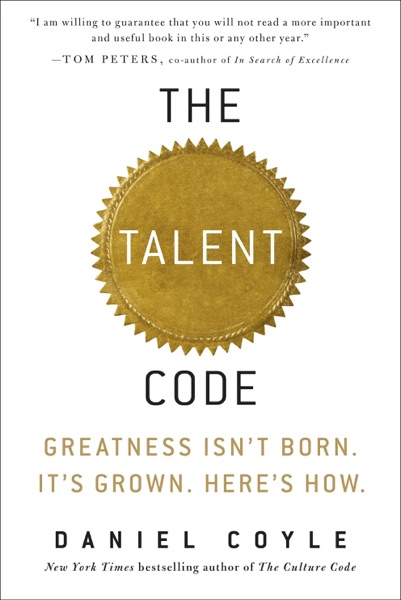
The Culture Code focuses on Most leaders believe great cultures are built by hiring top talent and inspiring them with grand visions. Daniel Coyle proves that exceptional culture is actually the result of specific, learnable behavioral cues that build safety, share vulnerability, and establish clear purpose..
Reading Pay Attention takes ~15 minutes on MasterBriefs, while The Culture Code takes ~15 minutes.
Comparative Breakdown
| Dimension | Pay Attention | The Culture Code |
|---|---|---|
| Author | David Pakman | Daniel Coyle |
| Primary Category | Nonfiction | Nonfiction |
| Executive Read Time | 15 min brief | 15 min brief |
| Interactive Modules | 6 Chapter Shifts & Quiz | 8 Chapter Shifts & Quiz |
Which One Should You Read First?
Both Pay Attention and The Culture Code provide high-leverage frameworks that complement each other in your personal executive library.
Read Pay Attention If:
Read Pay Attention if you want a masterclass in Nonfiction and practical shifts from David Pakman.
Open Pay Attention Masterbrief →Read The Culture Code If:
Read The Culture Code if you are looking to master the key mental models delivered by Daniel Coyle.
Open The Culture Code Masterbrief →Combine both briefs on MasterBriefs to build a comprehensive, multi-disciplinary understanding of Nonfiction.
Core Mental Shifts Inside Each Brief
Pay Attention Key Shifts
6 ShiftsThe Attention Economy as a Totalitarian Threat
The Attention Economy is a systemic, seductive form of totalitarian control that erodes cognitive autonomy by monetizing engagement and reshaping our perceptions.
Audience Capture and Cognitive Rewiring
Audience capture, driven by algorithmic optimization, actively rewires our brains to favor sensationalism and extreme content, diminishing our capacity for nuanced thought.
The Requirement for Controversy and the Battle for Truth
The Attention Economy's 'requirement for controversy' actively undermines the pursuit of truth, making objective reality secondary to engagement and accelerating societal polarization.
The Dark Science Behind Thumbnails and Algorithmic Manipulation
Manipulative 'dark science' behind content design, exemplified by thumbnails, exploits psychological triggers to maximize engagement, turning users into products for algorithmic control.
The Culture Code Key Shifts
8 ShiftsThe Anatomy of Belonging
Psychological safety is the mandatory foundation that enables all subsequent team performance.
The Power of Vulnerability
Mutual vulnerability short-circuits artificial harmony and builds authentic, unshakeable trust.
Establishing Shared Purpose
Shared purpose turns ordinary labor into a synchronized crusade toward a common destination.
Designing for Cooperation
Cooperation is engineered through smart structural design rather than hoped for through good intentions.
Common Questions Answered
How does Pay Attention compare to The Culture Code?
Pay Attention focuses on This book is critical because it exposes the hidden mechanisms by which modern media and technology are 'melting our brains' and fundamentally altering our perception of reality. It reveals how our engagement, ostensibly a choice, is being weaponized against us, transforming us into unwitting participants in a system that undermines truth, fosters division, and threatens our collective cognitive autonomy. Understanding Pakman's insights is essential for anyone seeking to navigate the digital age with clarity and resist the subtle, yet pervasive, forces shaping our minds and society., whereas The Culture Code delivers frameworks centered on Most leaders believe great cultures are built by hiring top talent and inspiring them with grand visions. Daniel Coyle proves that exceptional culture is actually the result of specific, learnable behavioral cues that build safety, share vulnerability, and establish clear purpose..
Can I read both executive summaries on MasterBriefs?
Yes, both books feature full 15-minute executive masterbriefs with interactive chapter shifts, framework diagrams, and self-quizzes.
Ready to master both books in 30 minutes?
Save hours of reading time with interactive mental shifts, practical quizzes, and executive frameworks.