Debt Free For Life vs The Culture Code
David Bach vs Daniel Coyle: Comparing Key Strategic Insights & Frameworks

The Battle of Ideas
A comprehensive side-by-side analysis of Debt Free For Life by David Bach and The Culture Code by Daniel Coyle. Discover how their philosophies, core mental models, and actionable takeaways compare for strategic decision-makers.
How Their Methodologies Diverge
Debt Free For Life approaches Personal Finance through the lens of Most people remain trapped in a cycle of lifelong payments because they mismanage liabilities and fail to build a systematic debt-free plan. This Masterbrief gives you the exact tools to reclaim your income, eliminate bad debt, and secure your financial future..
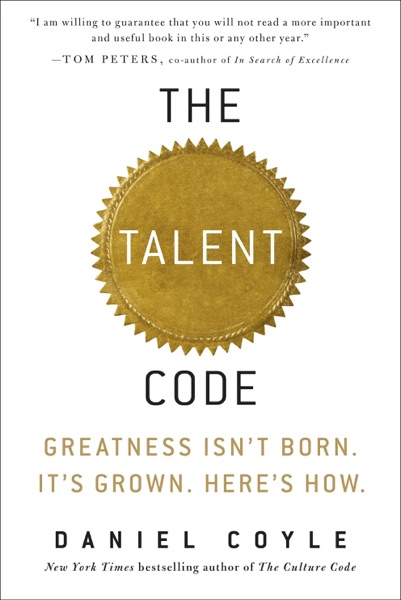
The Culture Code focuses on Most leaders believe great cultures are built by hiring top talent and inspiring them with grand visions. Daniel Coyle proves that exceptional culture is actually the result of specific, learnable behavioral cues that build safety, share vulnerability, and establish clear purpose..
Reading Debt Free For Life takes ~15 minutes on MasterBriefs, while The Culture Code takes ~15 minutes.
Comparative Breakdown
| Dimension | Debt Free For Life | The Culture Code |
|---|---|---|
| Author | David Bach | Daniel Coyle |
| Primary Category | Personal Finance | Nonfiction |
| Executive Read Time | 15 min brief | 15 min brief |
| Interactive Modules | 8 Chapter Shifts & Quiz | 8 Chapter Shifts & Quiz |
Which One Should You Read First?
Both Debt Free For Life and The Culture Code provide high-leverage frameworks that complement each other in your personal executive library.
Read Debt Free For Life If:
Read Debt Free For Life if you want a masterclass in Personal Finance and practical shifts from David Bach.
Open Debt Free For Life Masterbrief →Read The Culture Code If:
Read The Culture Code if you are looking to master the key mental models delivered by Daniel Coyle.
Open The Culture Code Masterbrief →Combine both briefs on MasterBriefs to build a comprehensive, multi-disciplinary understanding of Personal Finance.
Core Mental Shifts Inside Each Brief
Debt Free For Life Key Shifts
8 ShiftsThe Myth of Good Debt
You must reject the premise that good debt exists outside of strategic, income-producing real estate.
The Debt Fast Strategy
Stopping the accumulation of new debt is the mandatory first step before attempting any long-term wealth creation.
The Debt-Free Plan Framework
A systematic payoff framework accelerates your exit from debt by compounding your monthly payments.
Automating Your Financial Future
Automate your financial architecture so that saving and debt elimination occur seamlessly in the background.
The Culture Code Key Shifts
8 ShiftsThe Anatomy of Belonging
Psychological safety is the mandatory foundation that enables all subsequent team performance.
The Power of Vulnerability
Mutual vulnerability short-circuits artificial harmony and builds authentic, unshakeable trust.
Establishing Shared Purpose
Shared purpose turns ordinary labor into a synchronized crusade toward a common destination.
Designing for Cooperation
Cooperation is engineered through smart structural design rather than hoped for through good intentions.
Common Questions Answered
How does Debt Free For Life compare to The Culture Code?
Debt Free For Life focuses on Most people remain trapped in a cycle of lifelong payments because they mismanage liabilities and fail to build a systematic debt-free plan. This Masterbrief gives you the exact tools to reclaim your income, eliminate bad debt, and secure your financial future., whereas The Culture Code delivers frameworks centered on Most leaders believe great cultures are built by hiring top talent and inspiring them with grand visions. Daniel Coyle proves that exceptional culture is actually the result of specific, learnable behavioral cues that build safety, share vulnerability, and establish clear purpose..
Can I read both executive summaries on MasterBriefs?
Yes, both books feature full 15-minute executive masterbriefs with interactive chapter shifts, framework diagrams, and self-quizzes.
Ready to master both books in 30 minutes?
Save hours of reading time with interactive mental shifts, practical quizzes, and executive frameworks.